
Every parent knows the bedtime struggle. Your child is wound up, overstimulated, and nowhere near ready to sleep. You’ve tried everything: warm baths, bedtime stories, and soothing music.
But have you considered adding colouring books to their nighttime routine?
Colouring calms the mind and prepares children for restful sleep. This simple activity reduces cortisol levels, lowers heart rate, and creates a peaceful transition from daytime energy to nighttime rest. In countries like Canada, where long winter evenings leave kids with extra energy and less time for outdoor play, finding effective wind-down activities becomes essential.
This guide explores how children’s colouring books transform bedtime routines and why this analog activity outperforms screen time for better sleep.
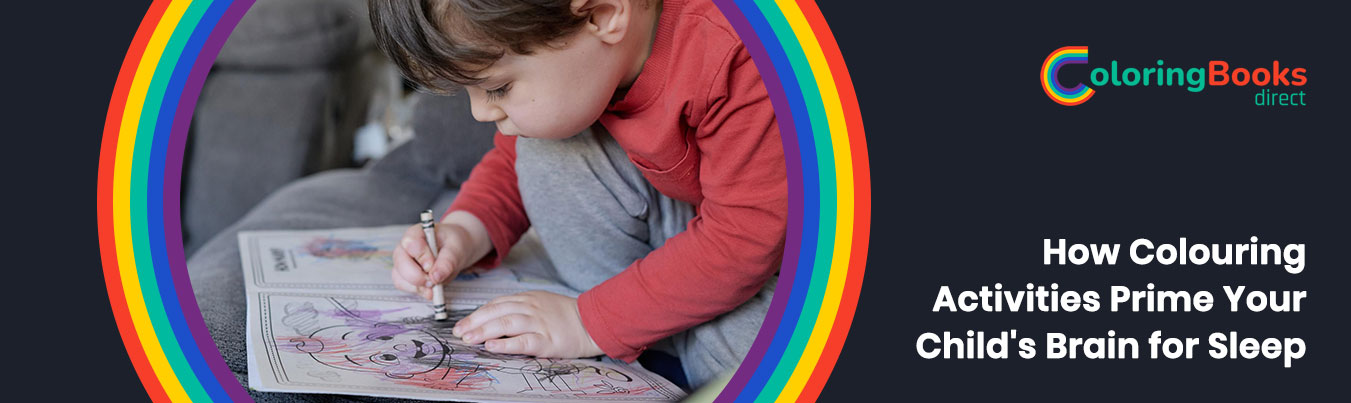
Understanding the science behind colouring helps parents appreciate why this activity works so effectively at bedtime.
When children colour, they engage their prefrontal cortex — the brain region responsible for focus and decision-making. This engagement redirects attention away from anxious thoughts or overstimulation from the day.
The repetitive motion of colouring activates the parasympathetic nervous system. This system controls rest and digestion, essentially telling the body it’s safe to relax. Studies from the Canadian Pediatric Society indicate that children need 60 minutes of wind-down time before sleep.
Colouring provides a structured, quiet time without screens. Reading your phone bed can increase your anxiety, which can negatively impact your sleep. Paper-based activities eliminate this problem entirely.
Many children experience bedtime anxiety. Worries about school, friends, or even bad dreams can keep them awake for hours.
Colouring offers a non-verbal outlet for processing emotions. Children don’t need to articulate their feelings — they simply choose colours and fill spaces. This process creates a meditative state similar to mindfulness exercises but more accessible for young minds.
Beyond the science, colouring books offer tangible advantages that make evenings smoother for families.
Children thrive on routine. When colouring becomes part of the nightly schedule, it signals to the brain that sleep is approaching.
Set a specific time for colouring, ideally 30-45 minutes before lights-out. This consistency trains the circadian rhythm to prepare for rest at the same time each night.
Choose a comfortable, well-lit space away from the bedroom. This separation helps children associate their bed strictly with sleep, not activities.
The Canadian 24-Hour Movement Guidelines recommend zero screen time in the hour before sleep. This guideline challenges parents in our device-saturated world.
Colouring books provide an engaging alternative. Unlike passive screen watching, colouring requires active participation and focus. Children feel entertained without the dopamine spikes that come from video games or YouTube.
Replace tablet time with themed colouring books matched to your child’s interests. Whether they love dinosaurs, space exploration, or fairy tales, options exist that capture attention without screens.
Colouring together creates bonding opportunities. Sit beside your child with your own colouring book. Yes, colouring pages for grown-ups work perfectly here.
This shared activity opens conversations naturally. Children often talk more freely while their hands are busy. You’ll hear about their day, their worries, and their dreams without the pressure of direct eye contact.
Family therapists recommend this practice for families struggling with communication. The parallel activity reduces pressure while building connection.
Not all colouring books serve bedtime purposes equally. Selection matters when the goal is relaxation rather than stimulation.
Match the colouring book’s complexity to your child’s developmental stage. Overly simple books bore older children, while intricate designs frustrate younger ones.
For ages 3-5, choose large shapes with thick lines. These books build confidence and motor skills without causing frustration that disrupts sleep preparation.
For ages 6-8, moderate detail works best. Think themed scenes with multiple elements but clear boundaries. Nature scenes, seasonal activities, and simple patterns fit this category.
For ages 9-12, more intricate designs engage without overwhelming. Mandalas, geometric patterns, and detailed illustrations provide the focus needed to calm active minds.
Subject matter influences mood. Avoid action-packed scenes, scary characters, or intense storylines before bed.
Opt for peaceful themes: underwater scenes, garden landscapes, celestial patterns, or woodland creatures. These subjects naturally encourage calm thoughts rather than exciting ones.
The physical experience of colouring matters for relaxation. Thick, smooth paper feels satisfying under crayons or pencils.
Avoid markers for bedtime colouring. They bleed through pages and create frustration. Coloured pencils or crayons provide better control and quieter application.
Consider the paper’s texture. Some children find that slightly textured paper adds to the calming sensory experience; others prefer ultra-smooth surfaces.

Follow these steps to integrate colouring into your child’s existing bedtime routine smoothly.
Start colouring at the same time each evening. Consistency reinforces the sleep association.
Begin 45 minutes before target bedtime. This allows 30 minutes for colouring and 15 minutes for other pre-sleep activities like brushing teeth and changing into pyjamas.
Use a timer to signal the end of colouring time. This prevents battles over “just one more page” while teaching time management.
Designate a specific area for evening colouring. Good lighting is essential while dim lighting strains eyes and causes headaches.
Keep supplies organized in a small caddy or basket. When everything has a place, setup and cleanup take less than two minutes.
Position the space away from high-traffic areas. Siblings running past or kitchen activity disrupts the calm you’re building.
Turn off the television during colouring time. Background noise prevents the meditative state you’re trying to create.
Play soft instrumental music if your child prefers sound. Nature sounds or gentle classical music enhance relaxation without providing stimulation.
Request that siblings respect quiet time. If you have multiple children, consider staggered bedtimes or parallel colouring sessions at the same table.
Resist the urge to correct your child’s colour choices. A purple tree or blue grass doesn’t matter — autonomy does.
This freedom builds decision-making confidence in a low-stakes environment. Children learn to trust their instincts and creative impulses.
Avoid critiquing technique or speed. The goal is relaxation, not artistic perfection. Praise effort and focus rather than results.
Combine colouring with basic breath work for enhanced calm. Every few minutes, remind your child to take three deep breaths.
Match breathing to colouring strokes. Breathe in while selecting a colour, breathe out while applying it to the page.
This practice teaches self-regulation skills that children can use independently when they struggle to sleep later.
Even the best strategies encounter obstacles. Anticipate these issues and have solutions ready.
Some children initially reject colouring as “boring” compared to screens or active play.
Start with very short sessions — just 10 minutes. Gradually increase the duration as their tolerance builds.
Offer small incentives unrelated to sleep. Perhaps completed pages go in a special binder or gallery wall. Celebrate the collection, not the bedtime compliance.
Detail-oriented children sometimes become upset when colouring doesn’t meet their expectations. This defeats the relaxation purpose.
Choose more forgiving designs with abstract patterns. These have no “right” way to complete them.
Model imperfect colouring yourself. Show that going outside lines or mixing unexpected colours creates interesting effects.
When multiple children colour together, comparisons can create tension rather than calm.
Give each child different book styles so direct comparison becomes impossible. One might work on animals while another does patterns.
Focus praise on individual progress: “You stayed so focused tonight” rather than “That’s the best colouring I’ve seen.”
Quality colouring books for kids represent an investment in your child’s sleep health. Maximize their value with these strategies.
Store books flat in a dedicated bin or shelf to prevent page damage. Bent corners and torn pages frustrate children mid-activity.
Keep completed and incomplete books separate. Seeing progress motivates children to continue the routine.
Rotate available books every few weeks. Limited choices reduce decision fatigue at bedtime while maintaining interest over months.
Use page protectors for favourite designs that children want to colour repeatedly. This allows multiple interpretations of the same image.
Scan completed pages before recycling books. Create digital galleries that preserve memories without physical clutter.
Pass gently used books to younger siblings, cousins, or community organizations. This extends their useful life while helping others.
Colouring books for kids offer a simple, screen-free solution to common sleep struggles. This activity calms anxious minds, establishes healthy routines, and strengthens family bonds. Start tonight with just 15 minutes of colouring before bed. You might discover the peaceful evenings you’ve been searching for. Ready to transform bedtime? Browse our collection at Coloring Books Direct this week to find the perfect colouring books for your family’s needs.